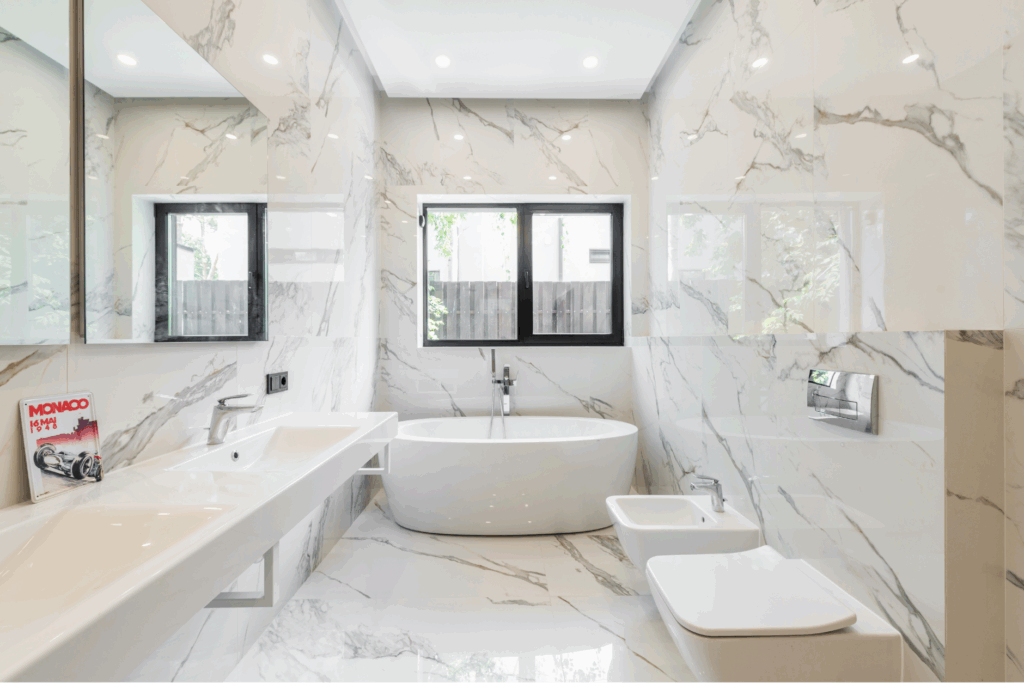

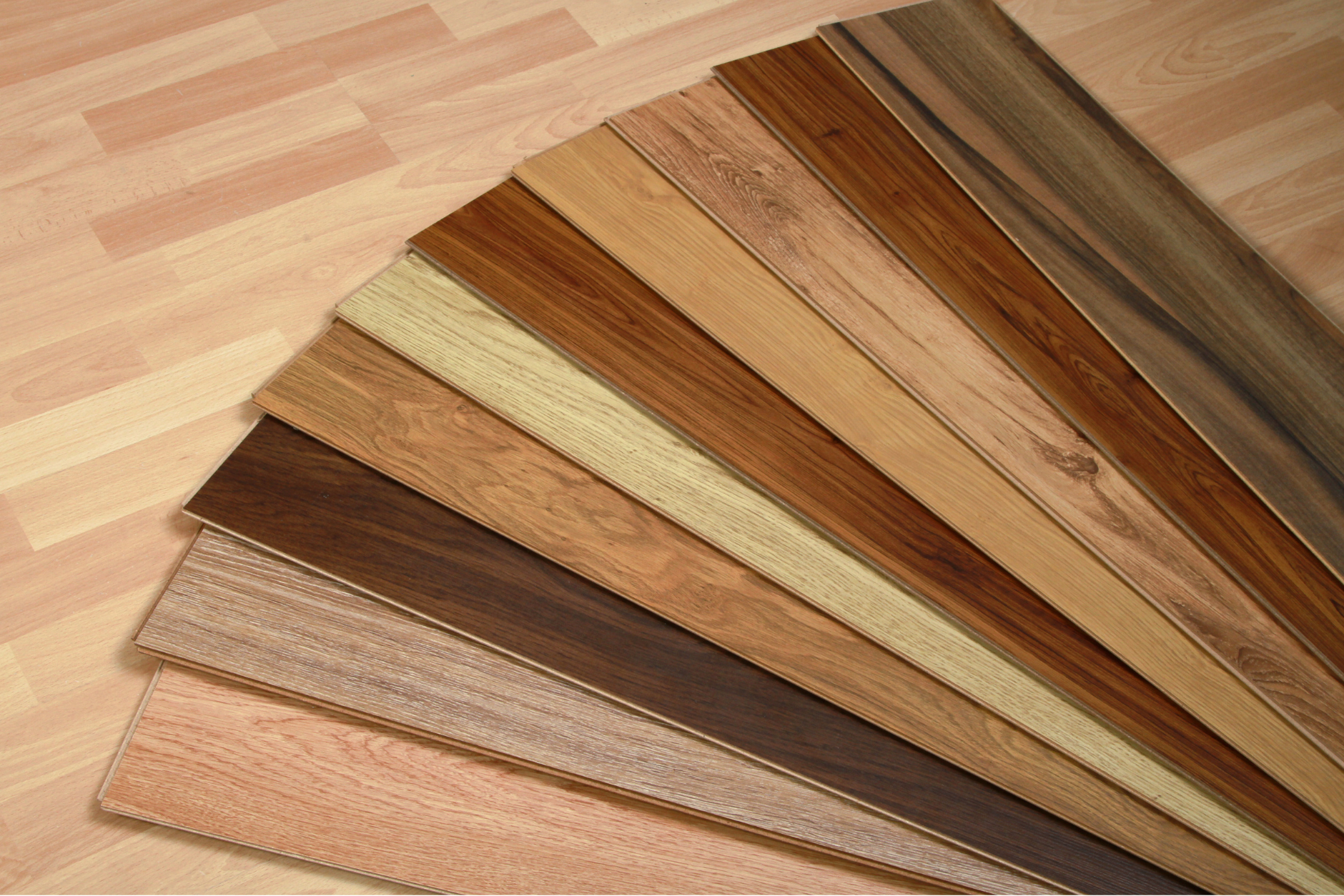
When planning the design of a space, people often focus on walls, ceilings, or furniture, but forget about one of the most critical elements: flooring. The floor has a direct impact on safety, comfort, and the long-term value of a property. Overlooking its importance is overlooking the foundation of daily living.
Comfort and Wellbeing
A quality floor regulates temperature, absorbs sound, and enhances comfort with every step. In living rooms and bedrooms, this invisible comfort defines the atmosphere. In offices, it reduces noise and fosters productivity, proving that flooring plays a role in wellbeing across different environments.
Safety in Every Step
Beyond aesthetics, flooring is also about safety. Non-slip surfaces, moisture resistance, and strong materials reduce the risk of accidents. This is especially crucial in homes with children or elderly residents, as well as in commercial spaces with heavy foot traffic.
Durability as an Investment
Floors are one of the most heavily used surfaces in any space. Choosing a durable material means fewer replacements and lower maintenance costs. From an investment perspective, quality flooring adds long-term value to any property while protecting against unnecessary expenses in the future.
A Reflection of Identity
A floor is not just functional — it reflects personality. Traditional wood floors convey warmth and heritage, while modern minimalist options highlight sophistication and simplicity. Every choice communicates a message about the people who live or work in the space.
Flooring goes far beyond design. It influences comfort, safety, and value, while expressing identity. Choosing the right floor means investing in the quality of life for years to come.